Arcade
4 min readWhy Bounty Board Arcade Exists
Bounty Board Arcade is built around a simple idea: discovery works better when players can try the game before reading the pitch.
Written by Sean van den Broek
Marketing Lead, Bounty Board
- arcade
- indie games
- browser games

Most indie game discovery asks players to do a lot of work before the fun starts.
Watch the trailer. Read the store page. Join the Discord. Maybe wishlist. Maybe remember to come back later. That flow can work, but it is also a long walk between "this looks interesting" and "I played it."
Bounty Board Arcade is our attempt to shorten that distance.
The direct answer
Bounty Board Arcade exists to give browser-native indie games a play-first discovery surface. Players can try a game quickly, studios can learn which hooks create real interest, and creators can build content around something they have played themselves.
That makes the Arcade different from a static blog post, store listing, or ad. It starts with the part that matters most: the game in someone's hands.
The point is play first
The Arcade is for browser-native games and playable slices that let someone get a feel for a game quickly. No launcher. No store account. No giant download before the first decision.
That matters because players are good at knowing when a game has a hook. A mechanic either feels good under your hands or it does not. A world either makes you curious or it does not. The faster someone can try it, the faster a real opinion can form.
For players, that means the Arcade should feel like a place to wander into when you want something new to poke at.
For studios, it means your game gets a discovery surface that is closer to a playable booth than a static ad.
The stronger evidence is more specific than the broader games market. Poki's 2026 State of Web Gaming Report surveyed 2,000 web gamers and 400 developers in the U.S. and U.K. It found that 37% of web gamers play multiple times per day, the most common session is 11 to 20 minutes, and 62% have downloaded or purchased a game after first discovering it on the web.
That supports the bet behind Arcade: a short playable surface can be real discovery, not filler between bigger platforms.
Why this belongs next to campaigns
Bounty Board already sits between game studios and gaming creators. Studios post campaigns, creators take on paid work, and the best campaigns start with real fit.
The Arcade adds another signal to that relationship: player behavior.
If a browser build gets people to replay, share, climb a leaderboard, or ask for more, that is useful. It helps creators understand what angle might land. It helps studios see what players notice before a bigger campaign. It gives the community something real to talk about.
That is a healthier loop than asking everyone to react to screenshots forever.
What good Arcade games have in common
The best Arcade entries do not need to be huge. They need to be legible fast.
A good fit usually has:
- a clear first action
- a short loop players can understand in under a minute
- visible feedback when they improve
- one mechanic or mood worth talking about
- a reason to restart
That can be a score attack, a tiny puzzle, a defense wave, a movement challenge, or a weird little prototype with a strong hook. The common thread is that the player gets to do something before they are asked to care.
Where to start
If you are a player, start with the Arcade and try what is live.
If you are a studio, think about the smallest playable version of your hook. Not the whole game. Not the perfect vertical slice. The thing someone can touch and understand.
That is often enough to start a better conversation.
Sources worth reading
Keep going
Ready to try something new?
Jump into the Arcade and see what indie teams are putting in front of players.
Related guides
Arcade
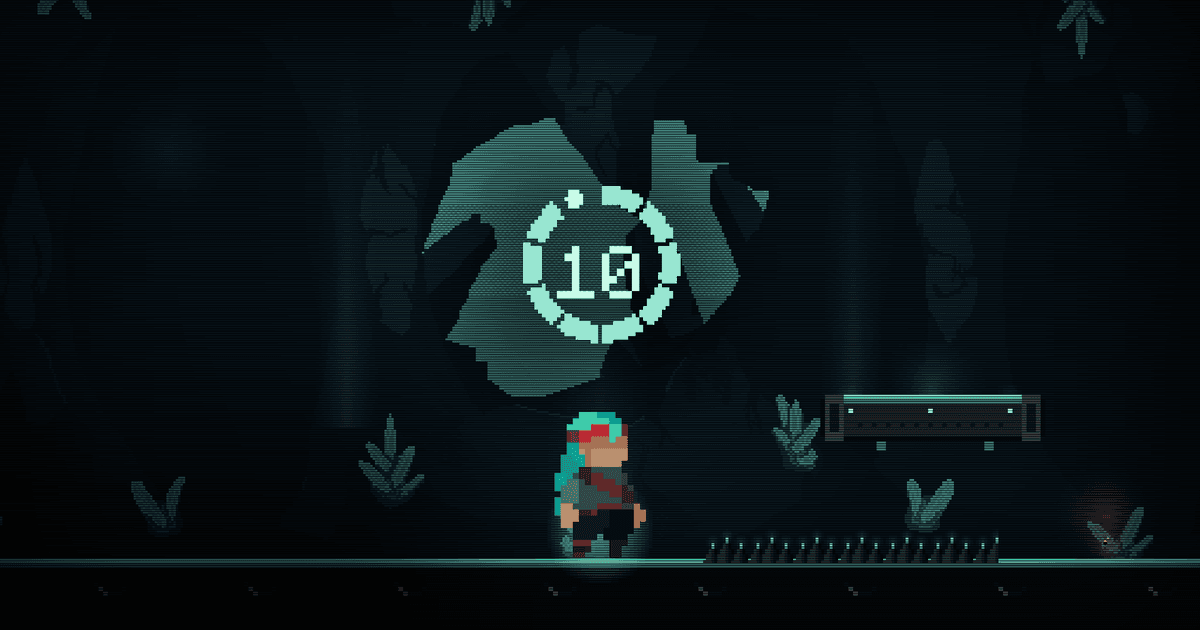
Best free indie browser games you can play with no download
Ten games from the Bounty Board Arcade catalog, picked across genres. Each one is a click away, with no launcher, no install, and no account needed to start.
- Updated
- October 18, 2026
- Read time
- 10 min read
Arcade
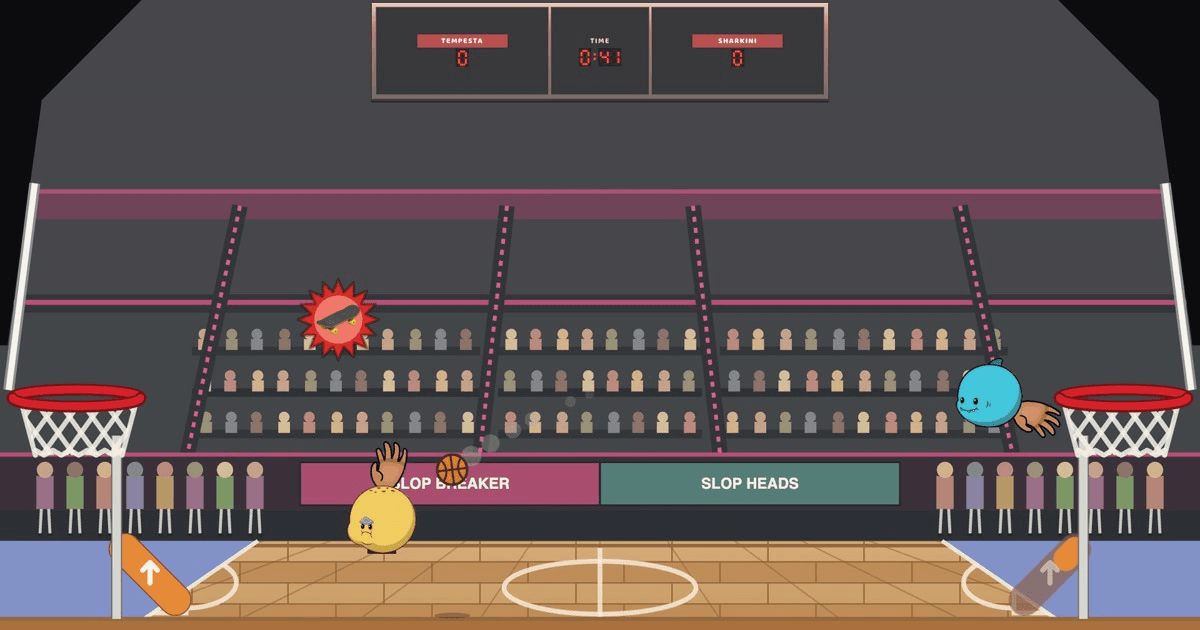
GamersThe best browser games with leaderboards
Ten free browser games with real leaderboards, each with its scoring rules published: what a good run looks like, and what a perfect one would score.
- Updated
- October 18, 2026
- Read time
- 10 min read
Arcade
New indie browser games worth discovering: August 2026
Nine browser games that are new or newly notable this month, described from their own pages, with the reason each one earned a slot stated plainly.
- Published
- August 19, 2026
- Read time
- 10 min read